Solo Beach Travel Destinations
Relax on world-class beaches without waiting for anyone else. These destinations combine stunning coastlines with the solo travel infrastructure you need: safe swimming, accessible transport, and social hostels steps from the sand.
My Solo Beach Experience
I have spent months chasing coastlines alone: waking up in a bamboo bungalow on Thailand’s Koh Lanta, surfing solo on Portugal’s Algarve, reading entire novels on Crete’s empty spring beaches. Beach travel as a solo person comes with unique pleasures (the freedom to stay until sunset or leave after ten minutes, no debate required) and unique challenges (who watches your stuff while you swim?). The destinations below have solved the solo-beach equation: they are beautiful, practical, and social enough that you will not feel like the only person at the water’s edge alone.
How I Rate Beach Destinations
I score on three dimensions. First, sand and water quality: the obvious stuff — clean beaches, swimmable water, not overdeveloped. Second, solo practicality: can you get to the beach alone without renting a car? Is there somewhere safe to leave your bag while you swim? Are there beachfront cafes where a solo diner feels normal? Third, social infrastructure: do beach towns have hostels, surf camps, or beach bars where solo travelers naturally connect? A high beach score means a coastline that works perfectly for one.
Italy
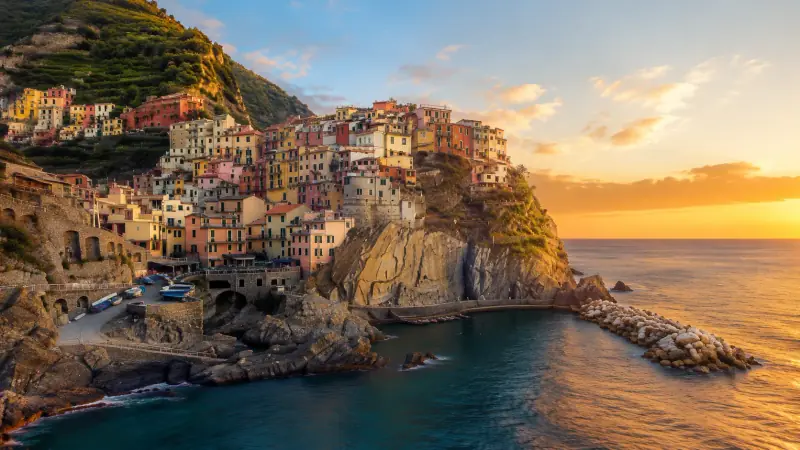
Italy was my first solo trip in Europe and it ruined me for everywhere else. The food is obviously transcendent — but what makes Italy great for solo travelers is the rhythm of daily life. A solo morning is a cappuccino standing at a bar counter (€1.50), an afternoon is getting lost in a medieval alley that opens onto a 500-year-old piazza, an evening is a €10 plate of cacio e pepe and a glass of house wine at a trattoria where the waiter calls you 'caro.' Italians are warm in a way that breaks through the language barrier. The train network connects every major city and most hill towns efficiently and affordably. The challenges: pickpocketing in tourist-heavy areas (Rome's Termini, Naples' train station) requires vigilance, and summer heat + crowds can be brutal. Go in April-May or September-October. Budget $65-140/day.
Croatia
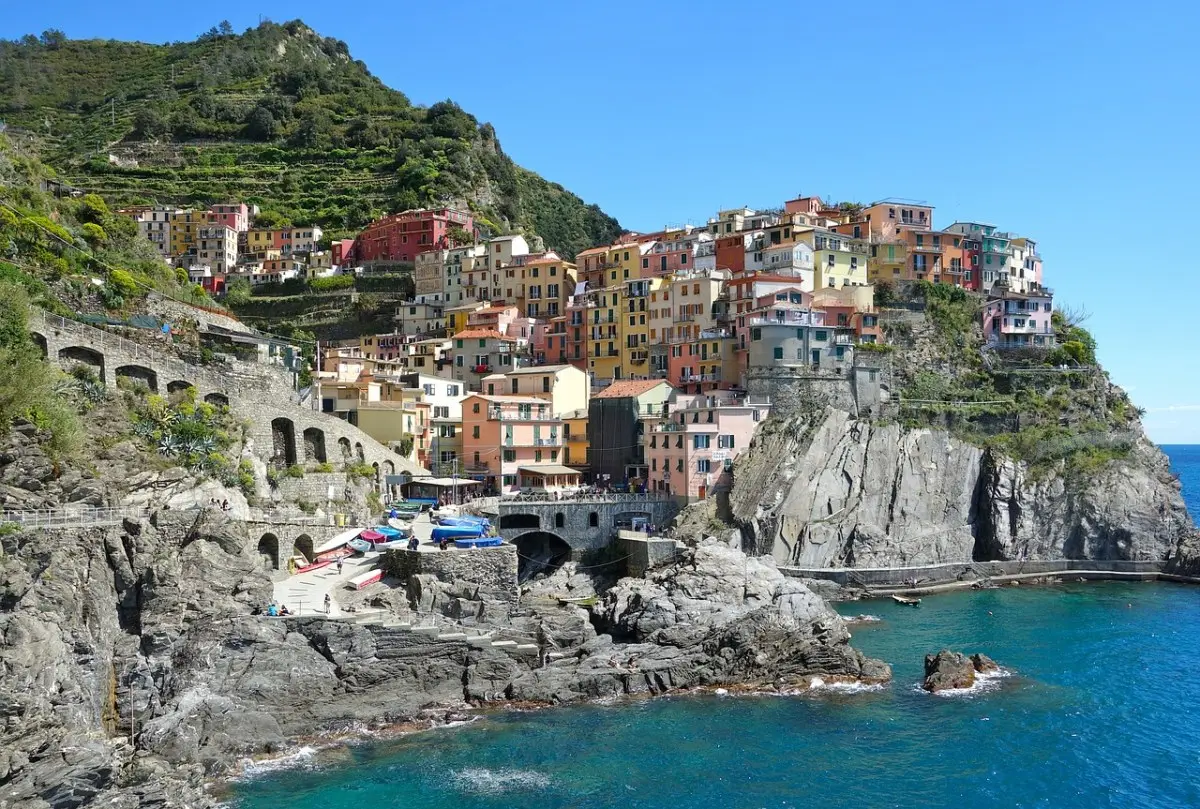
Croatia is what people imagine the Amalfi Coast to be — but more affordable, less crowded, and with better swimming. I spent two weeks island-hopping solo down the Dalmatian coast and it remains one of my favorite trips ever. Dubrovnik is the showstopper, yes, but the real magic happens on the islands: Korcula's medieval old town jutting into turquoise water, Hvar's lavender fields and sunset bars, Vis's hidden coves accessible only by scooter. English is widely spoken, the bus network between coastal cities is reliable, and the safety level — especially for solo women — is among the highest in Europe. The food is underrated: truffle pasta in Istria, fresh octopus salad on the islands, and surprisingly good wine (try Plavac Mali red). Budget $55-110/day.
Costa Rica
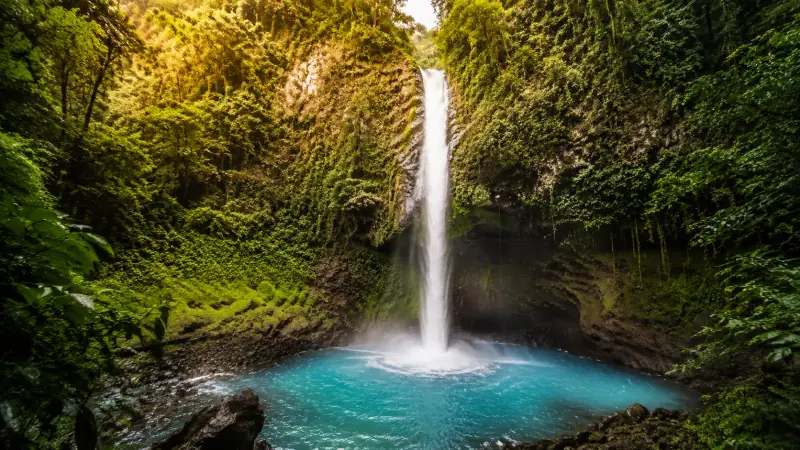
Costa Rica was my introduction to solo travel in Latin America and I could not have picked a gentler landing. It is the safest country in Central America by a wide margin, with a stable democracy, no standing army, and a national philosophy of 'Pura Vida' (pure life) that is not just a slogan — people genuinely embody it. The biodiversity is staggering: in two weeks I saw sloths, toucans, howler monkeys, sea turtles nesting, and a resplendent quetzal. The adventure infrastructure is world-class: ziplining through cloud forests, white-water rafting on the Pacuare River, surfing at Tamarindo, hiking an active volcano at Arenal. The downsides: it is surprisingly expensive (prices similar to the US for tours and mid-range hotels), public transport is slow and infrequent outside the Central Valley, and the rainy season (May-November) means afternoon downpours that can cancel activities. Budget $50-110/day.
Australia
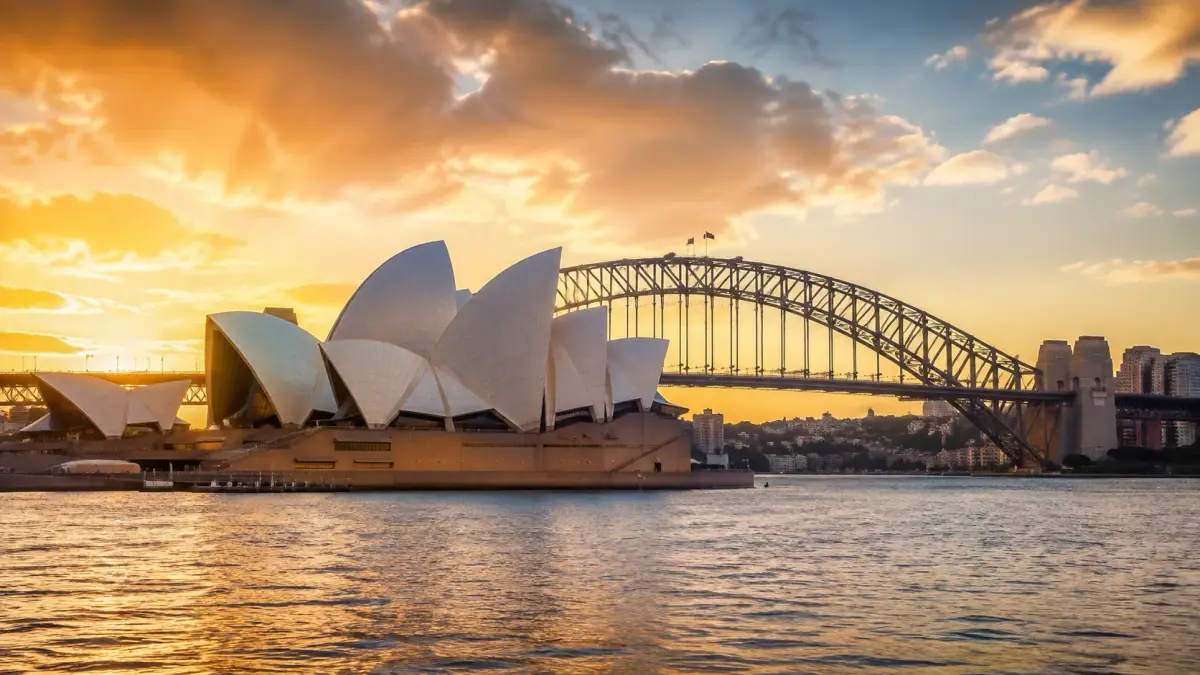
Australia is the easiest solo trip you will ever take — and one of the most expensive. There is zero language barrier (well, almost — Australian slang is its own dialect), the hostel culture is among the best in the world (clean, social, with pools and rooftop bars), and the working holiday visa means you can stay for a year and fund your travels. I spent six weeks solo on the east coast from Melbourne to Cairns and found the backpacker infrastructure so well-developed it almost felt like summer camp for adults. The Greyhound bus pass is the classic way to travel the coast, stopping at surf towns, national parks, and party hostels along the way. The highlights are overwhelmingly natural: the Great Barrier Reef, the Whitsundays' Whitehaven Beach, the Blue Mountains, the Great Ocean Road. Cities are pleasant but expensive — Melbourne's coffee and street art scene is the cultural highlight. Budget $90-200/day (this is not a budget destination).
Indonesia
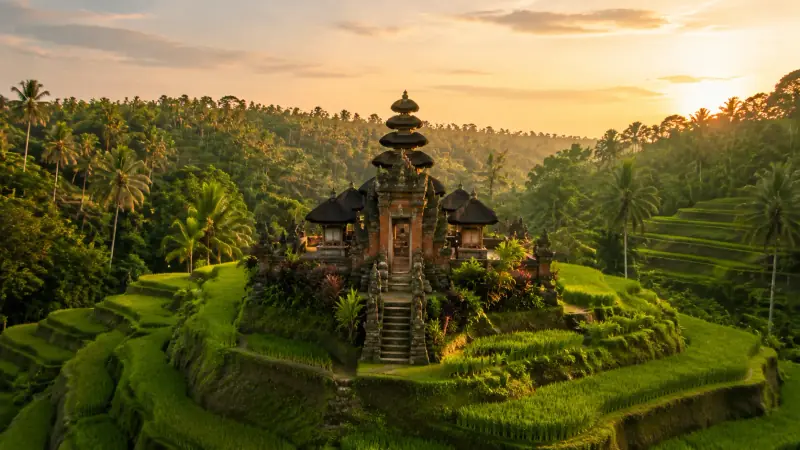
Indonesia — and specifically Bali — is the global epicenter of solo travel culture. I have been twice, both times solo, and both times I met more fellow solo travelers in the first 24 hours than I did in a month in Europe. The digital nomad scene in Canggu, the yoga and wellness culture in Ubud, the surf camps in Uluwatu, the party scene in Gili T — there is a version of Bali for every type of solo traveler. But Indonesia is so much more than Bali. Yogyakarta on Java has Borobudur (the world's largest Buddhist temple) and Prambanan (Hindu temples that rival Angkor Wat). The Gili Islands have no cars, crystal water, and turtles swimming 20 meters from shore. Flores has Komodo dragons. The value is extraordinary — a private room in a guesthouse with a pool can be $15, a massage $8, a restaurant meal $4. The challenges: traffic in South Bali is genuinely soul-crushing, safety concerns require common sense (scooter theft, drink spiking in Kuta), and the infrastructure outside tourist zones is limited. Budget $25-70/day.
New Zealand
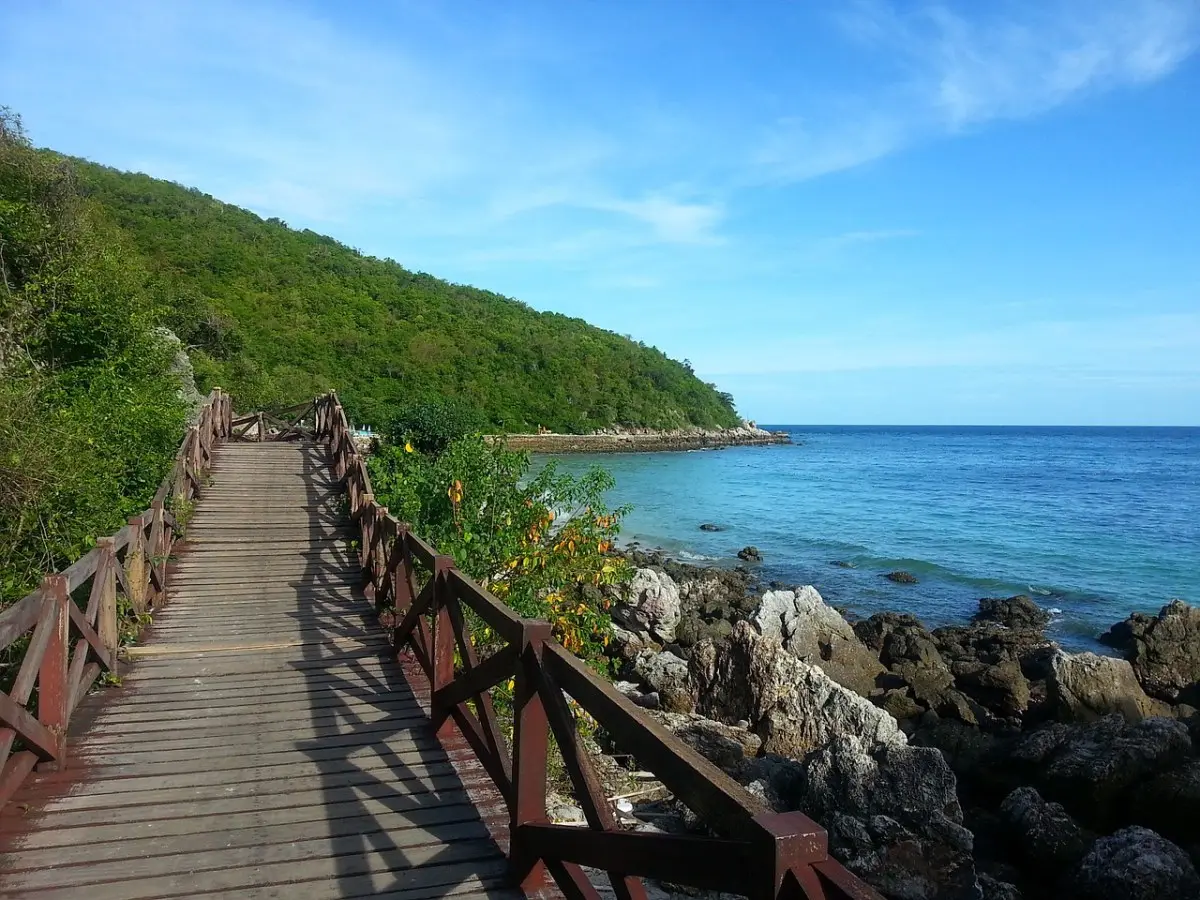
New Zealand is the safest, easiest, and most visually spectacular solo trip you can take in the English-speaking world. I spent a month driving both islands in a campervan and it was the most liberating travel experience of my life. The country is built for road trips: well-maintained roads, designated freedom camping spots, and a tourism infrastructure that caters brilliantly to independent travelers. Every 100 kilometers the landscape completely transforms — geothermal wonderlands, fjords carved by glaciers, subtropical beaches, alpine passes, rolling hobbit-green hills. The adventure activities are world-class: bungee jumping (invented here), skydiving, glacier heli-hikes, and the Tongariro Alpine Crossing (often called the best day hike on Earth). The downside: it is expensive, you absolutely need your own wheels (public transport is minimal), and the isolation means long drives between stops. Budget $70-150/day.
Portugal
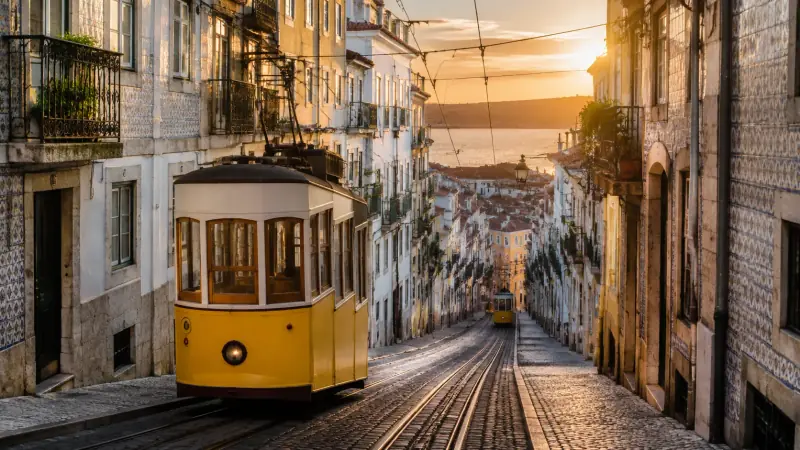
Portugal is where I tell every first-time solo traveler in Europe to start. It has Italy's beauty and Spain's energy at about 70% of the price. I spent three weeks solo from Porto to the Algarve and found it almost impossible to have a bad day. Lisbon is built on seven hills — every viewpoint (miradouro) rewards you with a postcard panorama of terracotta roofs and the Tagus River. Porto is moodier and more romantic, with port wine cellars across the Douro River and the most beautiful train station (São Bento) I have ever seen. The food is the most underrated in Europe: pastéis de nata (custard tarts) warm from the oven at Pastéis de Belém, grilled sardines on the street during summer festivals, francesinha (a heart-stopping meat-and-cheese sandwich) in Porto. English is widely spoken — Portugal has one of the highest English proficiency rates in Southern Europe. Safety is outstanding. Budget $50-100/day.
Thailand
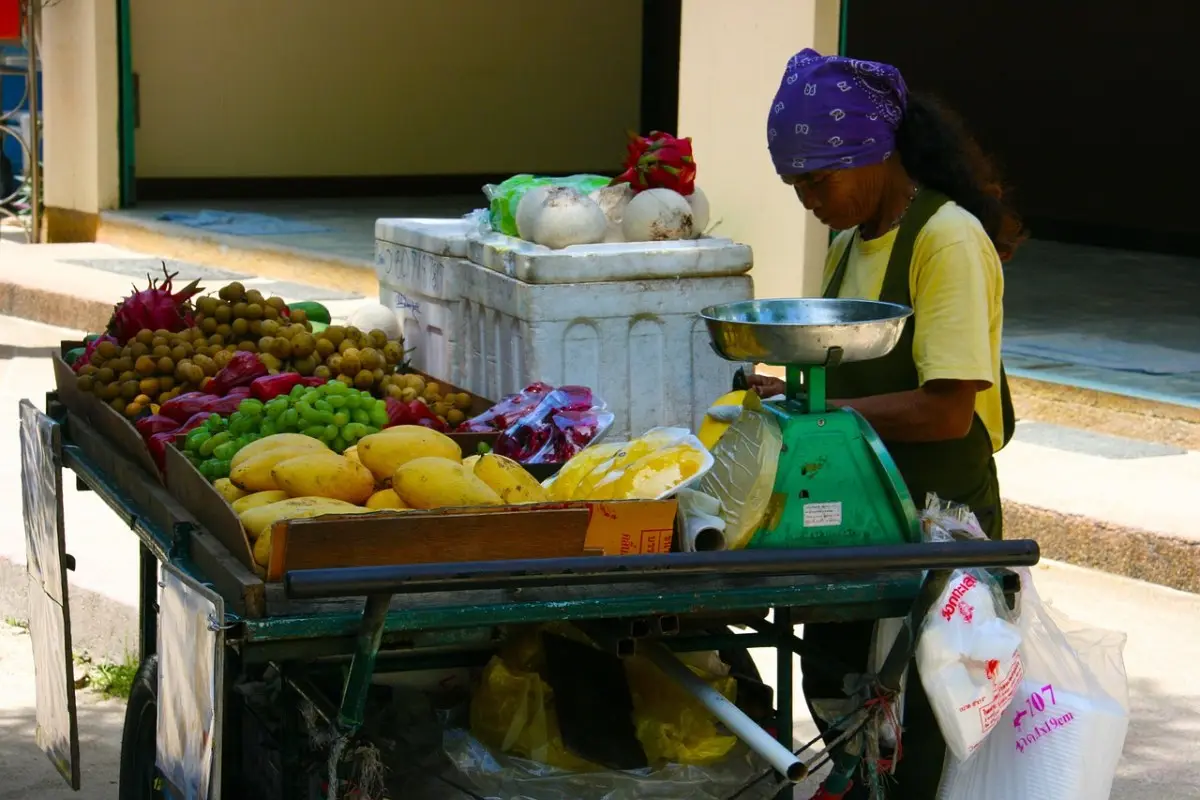
Thailand is where the vast majority of solo travelers begin their journey — and for good reason. It was my first solo trip in Asia, and within 48 hours I went from terrified to wondering why I had waited so long. The backpacker infrastructure is the most developed on Earth: hostels with pools for $8/night, travel agencies on every corner that book your bus-boat-train combinations for less than you would pay online, and street food so cheap and delicious that cooking for yourself becomes economically irrational ($1.50 pad thai, $1 mango sticky rice). Khao San Road in Bangkok is the world's backpacker crossroads — a chaotic, neon-lit strip where you can book a tattoo, a suit, and a bus to the islands all within 50 meters. The islands each have distinct personalities: Koh Tao for diving, Koh Phangan for Full Moon parties, Railay for rock climbing, Koh Lanta for chilling. The north (Chiang Mai, Pai) is culturally richer, cooler, and even cheaper. Budget $25-60/day.
Vietnam
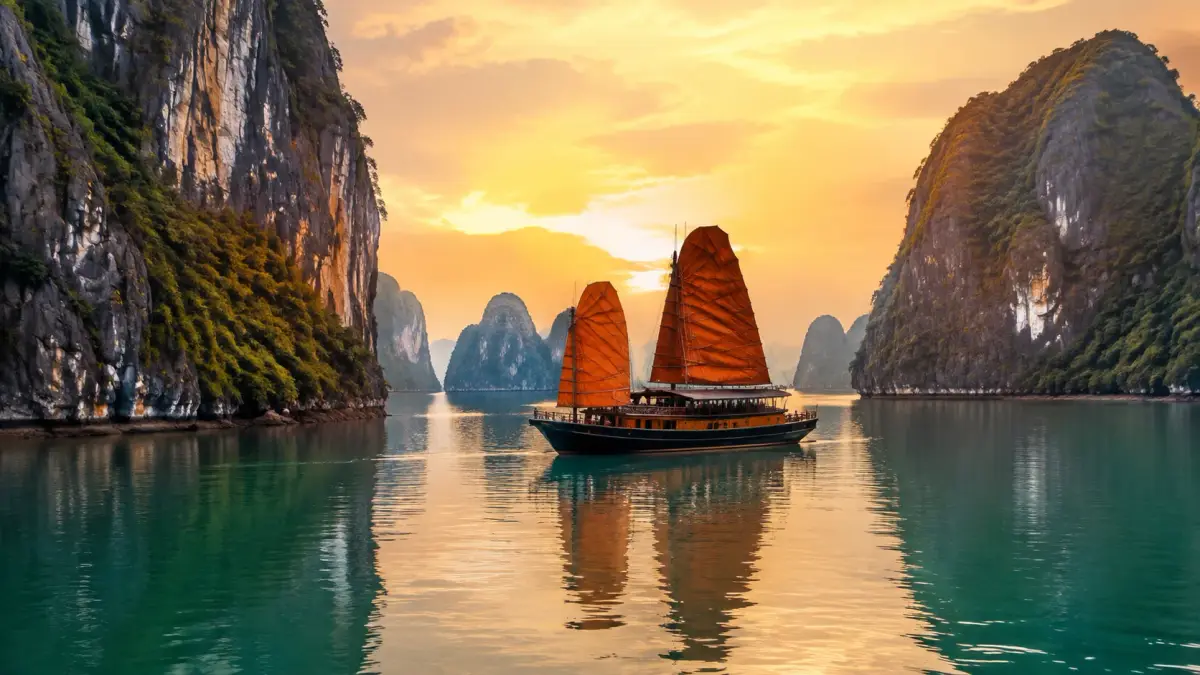
Vietnam is the best-value destination I have ever visited. I spent three weeks traveling from Hanoi to Saigon by train, motorbike, and bus, and my total spend — including the flight from Bangkok — was under $600. A bowl of pho on the street costs $1.50, a bia hoi (fresh draft beer) is $0.25, a private room in a homestay can be $10. But Vietnam is not a 'cheap Thailand' — it is fiercer, more raw, more rewarding. The traffic in Hanoi and Saigon is genuinely terrifying until you learn the secret: walk at a constant, predictable pace and the river of motorbikes flows around you. The landscapes are staggeringly diverse: the limestone karsts of Ha Long Bay and Ninh Binh, the terraced rice fields of Sapa, the caves of Phong Nha (home to the world's largest cave), the lantern-lit streets of Hoi An, the floating markets of the Mekong Delta. The food changes completely every 200km. Budget $20-50/day.
Spain
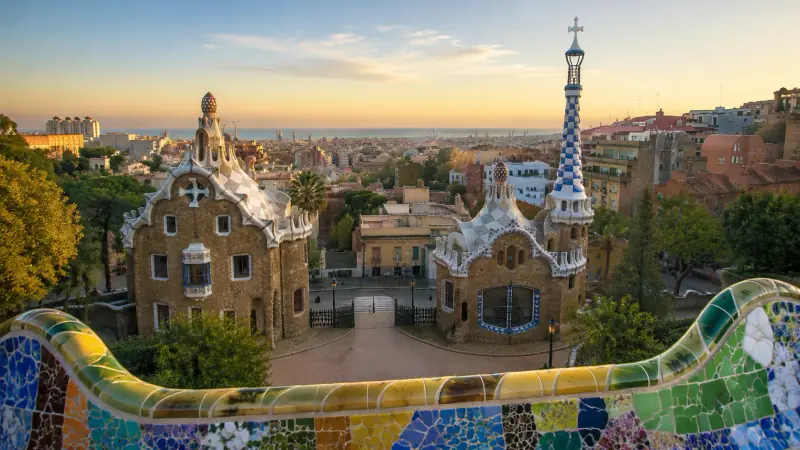
Spain might be the most solo-friendly country in Europe — and I say that having traveled solo through 20+ European nations. The secret is the tapas culture. In Granada, you order a beer for €2.50 and they give you a free plate of food. In San Sebastián, you walk from bar to bar eating single-bite pintxos, never sitting down, never feeling like the sad solo diner at a table for two. In Barcelona, you join a communal table at La Boqueria market. Spain's rhythm is different from the rest of Europe: lunch at 2pm, dinner at 10pm, streets alive with families and old men playing dominoes until midnight. It feels like the whole country is designed for social, spontaneous, unstructured time — exactly what solo travelers crave. The high-speed AVE train network connects Madrid to Barcelona in 2.5 hours, to Seville in 2.5 hours, and to Valencia in under 2 hours. The language barrier exists (less English than Northern Europe) but Spanish people are so warm and expressive that you can communicate a surprising amount with hand gestures and smiles. Budget $60-130/day.
Mexico
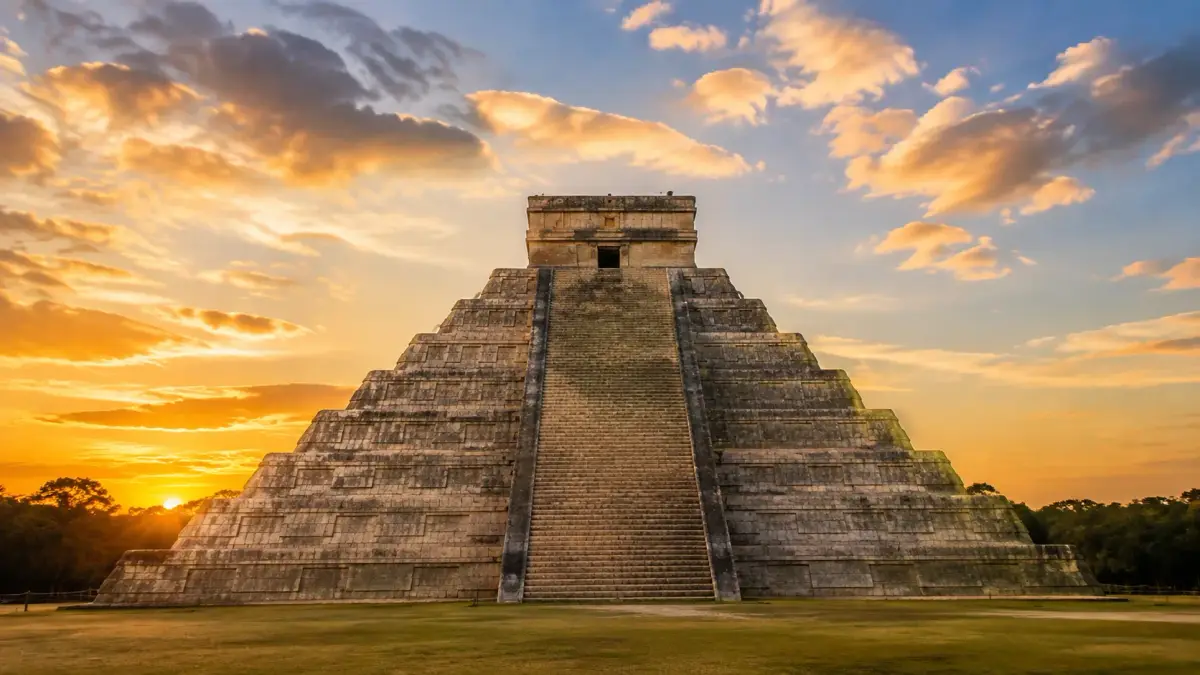
Mexico is the most misunderstood country on this list. Ask someone who has never been and they will mention cartels. Ask someone who has traveled there and they will talk for an hour about the mole in Oaxaca, the pyramids at Teotihuacán, the cenotes in Yucatán, and the mezcal they drank on a rooftop in Mexico City. I have spent a cumulative two months solo in Mexico across three trips — CDMX, Oaxaca, Chiapas, and Yucatán — and the only time I felt unsafe was when I ignored local advice and walked through a non-tourist neighborhood after midnight. Stick to well-traveled routes, use Uber (not street taxis), and Mexico delivers the best value-for-culture ratio in the Western Hemisphere. Mexico City alone has more museums than any city except London (the Anthropology Museum alone is worth the flight). The food is UNESCO-recognized — street tacos al pastor for $0.50, seven types of mole in Oaxaca, fresh ceviche on the coast. Spanish helps enormously but you can get by in tourist areas with English and Google Translate. Budget $30-80/day.